
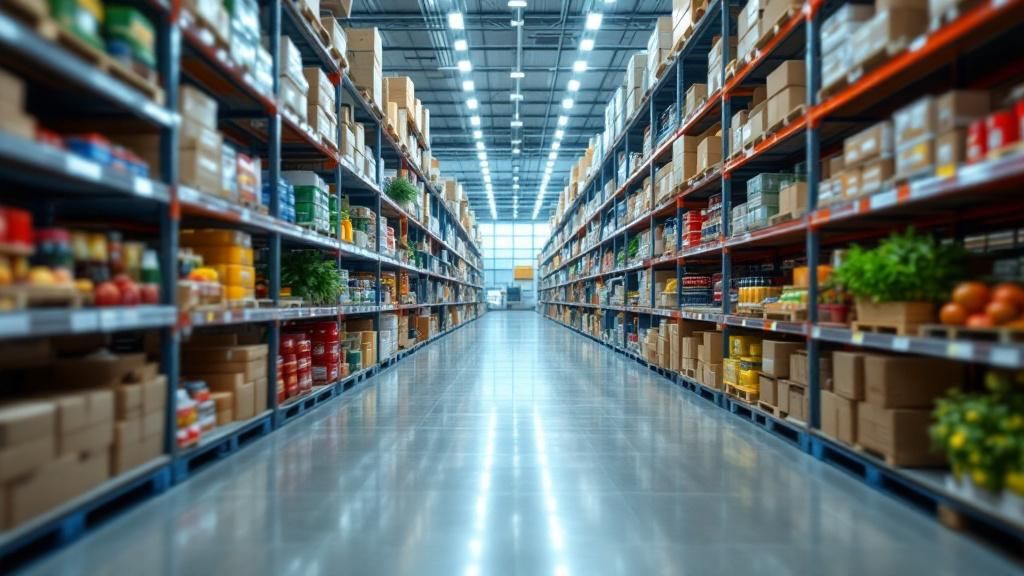
In an era where sustainability concerns and financial efficiency converge, prominent shopping networks across the UK and Europe are overhauling their operations through cutting-edge environmental strategies. Rather than regarding eco-conscious practices as a financial drain, innovative store operators are realising that innovative green strategies—from renewable energy adoption to rubbish minimisation schemes—significantly reduce operating expenses whilst simultaneously enhancing brand reputation. This article investigates how major retail businesses are leveraging sustainable practices to realise substantial expense reductions, setting new industry standards and demonstrating that profitability and environmental stewardship need not be mutually exclusive.
Energy Efficiency and Integration of Renewables
Retail chains throughout the United Kingdom have recognised that energy consumption represents one of their most significant operating costs. By adopting wide-ranging energy-saving initiatives and transitioning towards renewable energy sources, major retailers are achieving considerable monetary benefits whilst lowering their carbon footprint. This strategic shift includes everything from refurbishing structural components to investing in solar panels and wind energy partnerships, demonstrating that sustainability and profitability are intrinsically linked in modern retail practices.
The integration of clean energy sources into store operations has accelerated dramatically over the last several years, motivated by both ecological awareness and the reduced expenses of solar and wind technology. Top supermarket retailers and large retail outlets are now generating substantial portions of their power supply from clean energy sources, either through on-premises systems or extended energy contracts with clean energy suppliers. This transition not only decreases dependence on unstable conventional energy markets but also gives stores with enhanced price certainty and reliability for budget forecasting.
Beyond renewable energy implementation, retailers are dedicating significant funding towards building fabric upgrades, including enhanced insulation, advanced window systems, and sophisticated climate control systems. These structural improvements, whilst requiring preliminary financial outlay, deliver rapid returns through decreased energy expenses and enhanced customer experience. Furthermore, numerous UK retailers are benefiting from public funding schemes created to promote sustainable operations, making these investments increasingly accessible to companies regardless of size.
LED Lighting and Intelligent Control Systems
LED technology has revolutionised retail lighting, offering reductions in energy consumption of up to eighty percent compared to conventional incandescent and fluorescent lighting. Large retail operators have methodically converted outdated lighting infrastructure with LED solutions throughout their outlets, storage facilities, and distribution hubs. The longer operational life of LED bulbs markedly decreases upkeep expenses and staffing needs, whilst simultaneously upgrading lighting quality and developing more appealing shopping environments that boost customer contentment and revenue results.
Smart lighting control systems embody the next advancement in retail energy optimisation, utilising sensors, timers, and artificial intelligence to enhance illumination based on foot traffic, natural daylight availability, and time of day. These intelligent systems dynamically modify lighting levels in real-time, reducing unnecessary energy consumption whilst maintaining optimal visibility for both customers and staff. Integration with building management systems permits retailers to observe energy usage patterns, identify inefficiencies, and implement targeted improvements across their entire estate.
- LED bulbs consume eighty percent less energy than traditional lighting systems.
- Smart sensors self-regulate brightness based on occupancy levels.
- Daylight harvesting systems reduce electric lighting when daylight is available.
- Reduced maintenance costs due to extended LED bulb lifespan and durability.
- Improved patron satisfaction through superior light output and ambiance.
Streamlined Supply Chain Operations and Reducing Waste
Today’s retail organisations are fundamentally restructuring their supply chain operations to remove operational bottlenecks and cut down on waste at all levels. By deploying sophisticated logistics platforms and real-time inventory management systems, retailers can precisely forecast demand, reduce overstock situations, and limit surplus distribution. These technology upgrades not only enhance efficiency but significantly decrease fuel consumption and linked greenhouse gas output. Furthermore, refined distribution networks minimise goods deterioration and damage throughout shipping, promptly delivering improved financial returns whilst also decreasing environmental impact.
Packaging represents a significant part of shopping waste, driving forward-thinking retailers to revolutionise their method of protecting and presenting products. Many leading chains now utilise eco-friendly, reusable, and streamlined packaging solutions that substantially reduce material expenditure whilst resonating with sustainability-focused customers. By partnering with vendors to align container specifications, retailers accomplish more efficient warehouse storage and delivery operations. These strategic modifications deliver substantial cost reductions through decreased packaging spending, lower storage requirements, and reduced waste charges, illustrating that sustainability and cost reduction are fundamentally connected.
Waste reduction programmes move past packaging into broad resource recovery programmes across retail settings. Retailers are establishing circular systems where customer returns, damaged merchandise, and overstock are restored, reallocated, or sustainably recycled rather than disposed of. These programmes generate extra income sources through secondary markets whilst decreasing landfill disposal. Staff training and engagement in waste reduction initiatives build a commitment to sustainability, enhancing employee satisfaction and retention whilst also lowering running costs linked to rubbish handling and treatment.
Circular Economic Initiatives
Circular economy frameworks are revolutionising how retailers manage product life cycles and resource use. Rather than the traditional linear “take-make-dispose” model, progressive retailers are establishing circular systems where items are engineered for long-term use, repairability, and eventual reuse. Producer responsibility schemes prompt customers to return damaged goods for repair or correct disposal, creating sustainable business models. These schemes lower demand for new raw materials, lower manufacturing costs through material recovery, and generate customer loyalty through visible environmental responsibility and clear sustainability communication.
Leading retailers are launching take-back schemes and refurbishment facilities that lengthen the usable life of products whilst realising residual value. Customers returning used clothing, electronics, or household items receive rewards including discount vouchers or loyalty rewards, driving uptake and sustained participation. Refurbished products are relisted in product ranges at discounted prices, reaching cost-conscious consumers and maximising profitability. This cyclical model simultaneously cuts acquisition spending for new inventory, minimises waste management costs, and strengthens competitive positioning in an fiercely competitive retail landscape where green credentials meaningfully impact consumer purchasing decisions.
Customer Engagement and Brand Value
Retailers introducing sustainability practices have identified a significant driver for customer engagement and brand commitment. Consumers tend to favour purchasing from eco-aware companies, making sustainability initiatives a significant competitive advantage. By clearly sharing their environmental actions—whether through sustainable packaging solutions, low-carbon shipping methods, or responsible sourcing practices—retailers strengthen emotional connections with customers. This increased involvement translates into higher purchase frequency, positive word-of-mouth recommendations, and improved brand image, ultimately driving revenue growth whilst simultaneously reducing environmental harm.
The relationship between sustainability and brand value has emerged as undeniable in today’s marketplace. Retailers embracing environmental responsibility draw in socially conscious audiences and set themselves apart from competitors. Enhanced brand reputation enables premium pricing opportunities and customer retention, offsetting initial investment costs in sustainable infrastructure. Furthermore, accolades and public recognition of sustainability achievements amplify brand visibility and credibility. These interconnected benefits demonstrate that environmental stewardship represents not simply a cost-reduction strategy, but a comprehensive business investment that fortifies brand equity and ensures enduring market relevance in an growing environmentally conscious consumer landscape.
