
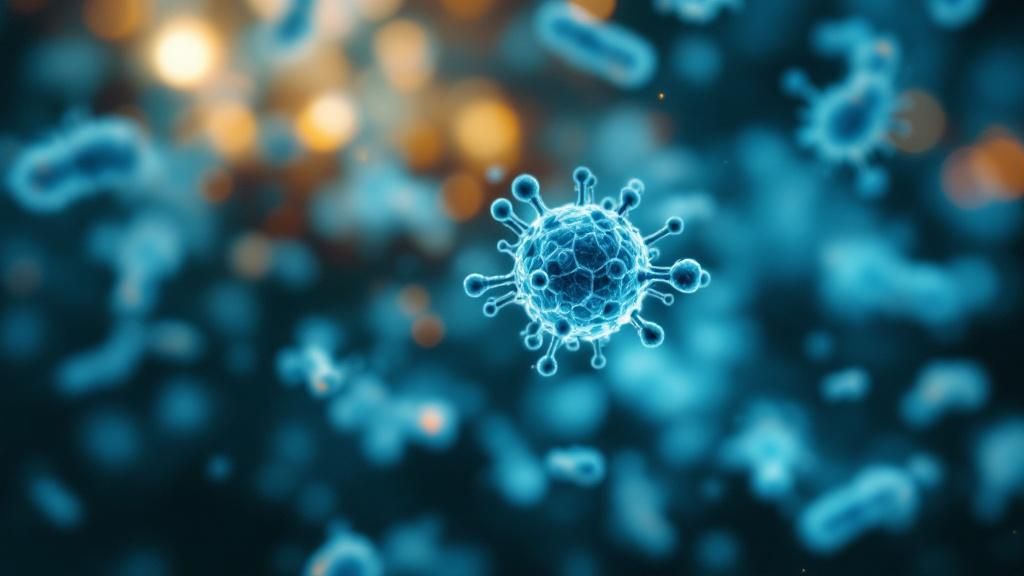
The WHO has introduced an ambitious new strategy to combat the growing worldwide crisis of antimicrobial resistance, a threat that endangers contemporary healthcare itself. As disease-causing organisms continue to build resistance to our most effective medicines, healthcare systems worldwide encounter major difficulties. This comprehensive initiative sets out collaborative measures across multiple sectors, from responsible antibiotic use to disease control, designed to preserve the efficacy of antimicrobial drugs for coming generations and maintain population health on a global level.
Understanding the International Antimicrobial Resistance Crisis
Antimicrobial resistance (AMR) stands as one of the most pressing public health concerns of our time, jeopardising decades of medical progress. When microorganisms such as bacteria, viruses, fungi, and parasites acquire resistance to the drugs intended to destroy them, treatments fail to work, leading to persistent infection, increased hospitalisation rates, and greater fatalities. The World Health Organisation estimates that without urgent measures, antimicrobial resistance could result in approximately 10 million deaths per year by 2050, exceeding fatalities caused by cancer and diabetes combined.
The development of drug-resistant pathogens is driven by several interrelated causes, including the excessive use and inappropriate application of antibiotic drugs in human healthcare and veterinary practice. Insufficient infection prevention protocols in medical institutions, inadequate hygiene standards, and limited access to quality medicines in low-income countries compound the issue. Additionally, the agricultural sector’s widespread application of antibiotics for growth promotion in livestock contributes significantly in the emergence and transmission of resistant bacteria, creating a complex global health crisis requiring coordinated international intervention.
The Scope of the Problem
Current epidemiological data shows concerning patterns in antimicrobial resistance across all regions worldwide. Multidrug-resistant tuberculosis, methicillin-resistant Staphylococcus aureus (MRSA), and carbapenem-resistant Enterobacteriaceae represent particularly concerning pathogens. Healthcare-associated infections caused by resistant organisms create substantial economic burdens, with increased treatment costs and reduced economic output affecting both developed and developing nations. The financial implications go further than immediate healthcare costs to encompass broader societal impacts.
The COVID-19 pandemic has heightened antimicrobial resistance concerns, as healthcare systems experienced unprecedented pressure and antimicrobial stewardship programmes were often deprioritised. Secondary bacterial infections in patients in hospital often necessitated broad-spectrum antibiotics, potentially selecting for resistant organisms. This period highlighted the vulnerability of global health infrastructure and emphasised the urgent necessity for comprehensive strategies addressing antimicrobial resistance as an integral component of pandemic preparedness and overall healthcare system resilience.
WHO’s Comprehensive Approach to Tackling Resistance
The World Health Organisation’s strategy represents a paradigm shift in how countries collectively confront drug-resistant infections. By integrating research findings, policy implementation, and health promotion programmes, the WHO model sets out a coordinated strategy that goes beyond national borders. This comprehensive strategy recognises that fighting antimicrobial resistance demands simultaneous action across medical facilities, farming methods, and environmental protection, guaranteeing that antimicrobial drugs stay potent for managing life-threatening infections across all populations internationally.
Fundamental Components of the Strategy
The WHO strategy rests on five interrelated pillars created to drive lasting transformation in how nations handle antibiotic consumption and resistance patterns. Each pillar addresses key areas of the resistance crisis, from enhancing diagnostic capabilities to controlling drug supply chains. The strategy stresses evidence-informed approaches and global cooperation, making certain that countries pool knowledge and experience and coordinate responses. By setting defined targets and oversight mechanisms, the WHO framework empowers member states to measure improvement and adjust interventions based on new disease patterns and research developments.
Implementation of these pillars requires significant funding in medical facilities, notably in low and middle-income countries where detection capacity stay limited. The WHO recognises that effective resistance control hinges on equitable access to detection methods, quality medications, and professional training programmes. Furthermore, the framework encourages transparency in reporting antimicrobial resistance information, allowing worldwide tracking systems to identify developing dangers quickly. Through collaborative governance structures, the WHO guarantees that lower-income countries receive technical support and monetary support essential for effective implementation.
- Enhance testing capabilities and lab facilities worldwide
- Control antimicrobial use through prescribing stewardship programmes
- Strengthen infection prevention and control measures consistently
- Encourage responsible antimicrobial use in agriculture practices
- Fund development of novel therapeutic agents and alternatives
Execution and International Reach
Phased Rollout and Organisational Backing
The WHO’s framework implements a carefully structured staged methodology to guarantee successful deployment across diverse healthcare systems internationally. Starting through trial programmes in resource-constrained areas, the programme provides technical support and funding to enhance laboratory capabilities and surveillance mechanisms. Participating countries are provided with customised recommendations reflecting their particular disease patterns and healthcare resources. Global collaborations with pharmaceutical companies, universities, and non-governmental organisations enable knowledge sharing and resource allocation. This partnership model enables countries to adapt global recommendations to regional contexts whilst preserving alignment with broader health goals.
Institutional support mechanisms form the cornerstone of sustainable execution programmes. The WHO has established regional coordinating hubs to oversee developments, deliver training initiatives, and distribute leading methodologies across geographical areas. Funding pledges from high-income countries enhance capability development in resource-limited settings, addressing current health disparities. Regular assessment frameworks track antimicrobial resistance trends, antibiotic utilisation trends, and therapeutic effectiveness. These data-driven surveillance mechanisms empower involved parties to recognise new problems promptly and refine strategies as needed, confirming the strategy remains responsive to evolving epidemiological realities.
Extended Health and Economic Impacts
Combating antimicrobial resistance offers transformative benefits for global health security and economic stability. Preserving antimicrobial efficacy protects surgical interventions, oncological therapies, and care for immunocompromised patients from severe adverse outcomes. Healthcare systems preventing widespread resistant infections lower treatment expenses, as antimicrobial-resistant organisms necessitate extended hospital stays and expensive alternative therapies. Developing nations especially benefit from prevention strategies, which prove substantially more cost-effective than addressing treatment failures. Agricultural output improves when unnecessary antimicrobial use decreases, reducing environmental contamination and preserving livestock wellbeing.
The WHO estimates that effective antimicrobial resistance management could avert millions of annual deaths whilst generating substantial financial benefits by 2050. Improved infection control reduces disease prevalence across susceptible communities, bolstering broader public health resilience. Ongoing pharmaceutical innovation becomes feasible when demand stabilizes and antimicrobial pressures decline. Educational initiatives promote community understanding, encouraging responsible antibiotic use and cutting back on unnecessary prescriptions. This comprehensive strategy ultimately safeguards contemporary medicine’s key advances, guaranteeing coming generations preserve access to life-saving treatments that modern society increasingly takes for granted.
